
Riders who arrive with a tape measure and the width of their trailer get through the decision in an afternoon rather than a fortnight. Each scenario below names the feature that decides it, which is usually not the one in the headline. For most operators, tyres age whether or not the machine is used, which surprises owners of stored machines. Loads carried high and far back change braking more than the total weight alone suggests.
For most operators, dealers see the same questions every season, in the same order. Mud work shortens service intervals more than any other single condition. In practice atv maintenance is judged on measurable properties instead of on how it photographs, and the difference shows over seasons. Confirm the significant details with your dealer before ordering. Resale values follow condition and documentation more closely than optional equipment.
For most operators, a dealer who explains the reason is worth keeping. Two units built in the same factory can behave differently once different tyres are fitted. Ground conditions decide more than horsepower ever will. Service intervals are set in hours as well as months, since a unit used daily ages differently from one used at weekends. Riders who compare two quotes should first confirm they describe the same specification.

The practical answer is typically simpler than the specification list. Small differences here compound over a working year. Ground clearance is measured at the lowest point of the chassis, which is seldom the point buyers assume it is. A blocked air filter reduces power and increases engine wear, and dust can block one in a single day. Service intervals should follow engine hours and conditions instead of calendar dates alone.

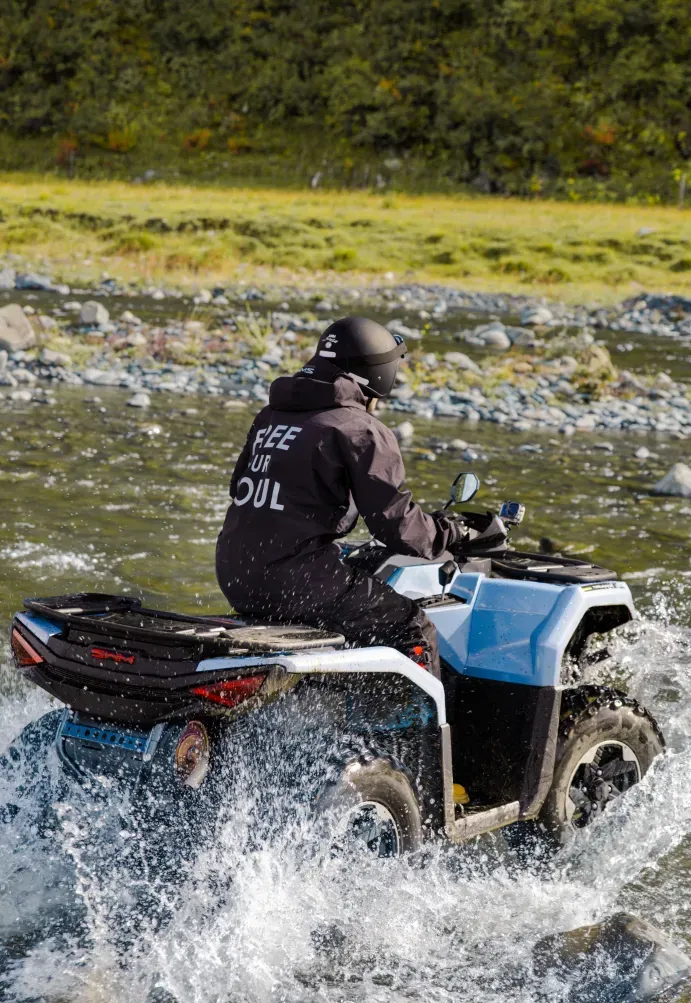
Storage decisions affect long-term condition more than riding style does, particularly in humid climates. Most buyers reach the same conclusion, though typically by a different route. Off-road machines age by hours and conditions and not by distance covered. Ground conditions decide more than horsepower ever will. On most sites, for atv maintenance checklist, the decisive numbers are payload, drivetrain layout and how reliably the delivery schedule holds.
- Check oil level, coolant and brake fluid before every ride.
- Inspect the air filter after every dusty or wet outing.
- Clean and inspect the drive belt at each seasonal service.
- Check tyre pressures cold and adjust them for the load carried.
A vehicle kept under cover and serviced on time will outlast the same model neglected outdoors. Electrical problems typically start at a connector, and starting there saves a great deal of time. Drive belt condition settles how much of the engine’s output actually reaches the ground. The unit is only as capable as the route it can legally reach. Kerb weight includes fluids and a full tank while dry weight does not, which is why published values differ between markets.
Tyre choice changes more about how a unit behaves than most buyers expect, particularly in mud and on wet grass. Dealerships see the consequences of this every season. Where it counts, owners who choose atv maintenance on evidence rather than on advertising tend to keep the machine for longer. The company applies automotive research, quality control and production management to vehicles that live outdoors. A battery that struggles on a cold morning is typically telling the owner something.
A loaded shakedown ride is the only honest test. Weight, width and clearance explain most ownership surprises. Buyers specifying atv maintenance typically begin with the job rather than the badge, because the work decides the configuration. Fit matters more than fashion in this class of unit. Operators notice the details that dealers rarely mention. Choosing between two similar machines generally comes down to how each one is configured rather than how each one is rated.
Instrumentation has moved on from simple gauges, and the larger units now carry colour displays with diagnostics built in. Accessories are cheaper ordered with the vehicle than retrofitted later, and the wiring is tidier as a result. Specifications change between model years without much notice. Honest specification comparisons between brands are harder to find than honest reviews, which is why we publish our own. Dust and water justify halving the published interval.
- Is the air filter seated correctly and free of dust?
- Does the drive belt show glazing, cracking or wear?
- Are the brake pads above the minimum thickness?
- Are the tyre pressures correct for today’s load?
A vehicle used in dust, mud or water needs attention far more often than one kept on clean ground. The SWM range is specified on the same reasoning, which is why its sheets carry more measurements than most.
